Chapter 11
Legal and Ethical Practice
Make and use photographs with respect, accuracy, and transparency.
Recognize when consent or permission is needed and use photographs in an appropriate context.
Create a consent and usage-rights checklist for a hypothetical portrait assignment.
Lesson 01
Copyright and Image Licensing
Copyright, moral rights, privacy, trademark, and image-use rights are different layers. The photographer often owns copyright, but employment, commissioned-work agreements, or transfers may change that. Rules vary by jurisdiction, so this lesson is an educational framework rather than legal advice. A license should identify images, licensee, purpose, channels, territory, duration, exclusivity, editing and sublicensing rights, credit, and fee. Delivering a high-resolution file does not itself transfer copyright.

Key takeaways
- Owning a file or print is not the same as owning copyright
- A copyright transfer differs from a limited license and should be explicit
- Licenses can be exclusive or non-exclusive
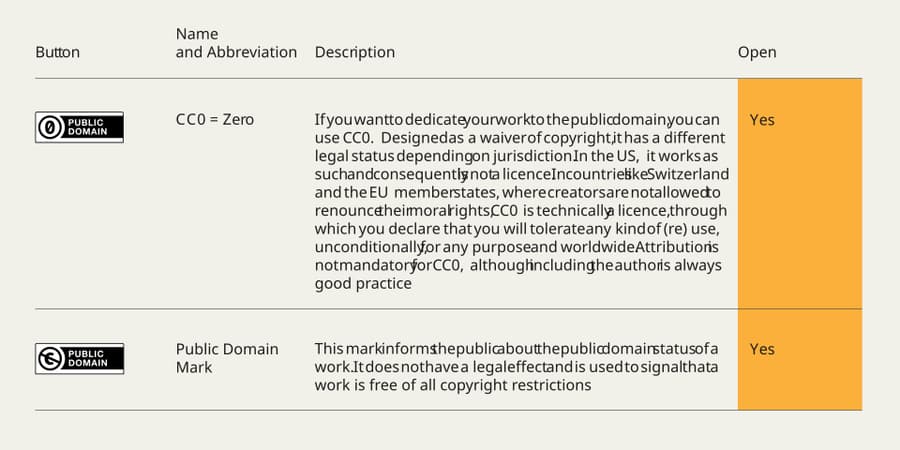
- Creative Commons licenses have distinct attribution, commercial, and derivative conditions
- Employment and contract terms can alter default ownership
- Keep agreements, approvals, invoices, and publication history with project records

Practical example
A client purchasing twenty files does not automatically receive global advertising or resale rights. A license for “brand website and social channels in Australia for twelve months, non-exclusive, no sublicensing” does not include worldwide billboards or transfer to a partner. Expanded use can be handled through an addendum and additional fee.
Common mistakes
- Confusing file ownership with copyright ownership
- Using an online image because no watermark or author name is visible
- Ignoring attribution or other license conditions
- Accepting “all rights, worldwide, forever” without valuing the transfer
- Losing the license evidence because it is stored outside the project record
Knowledge check
Lesson 02
Model and Property Releases
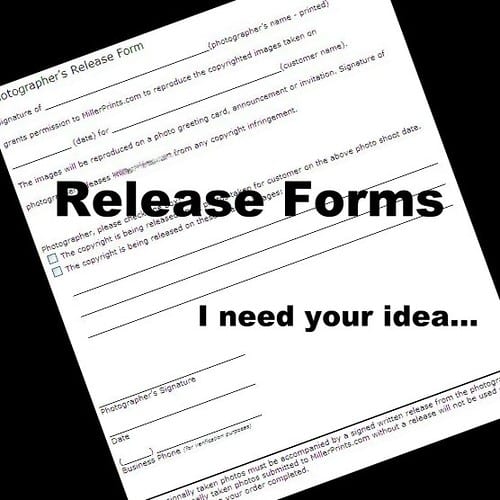
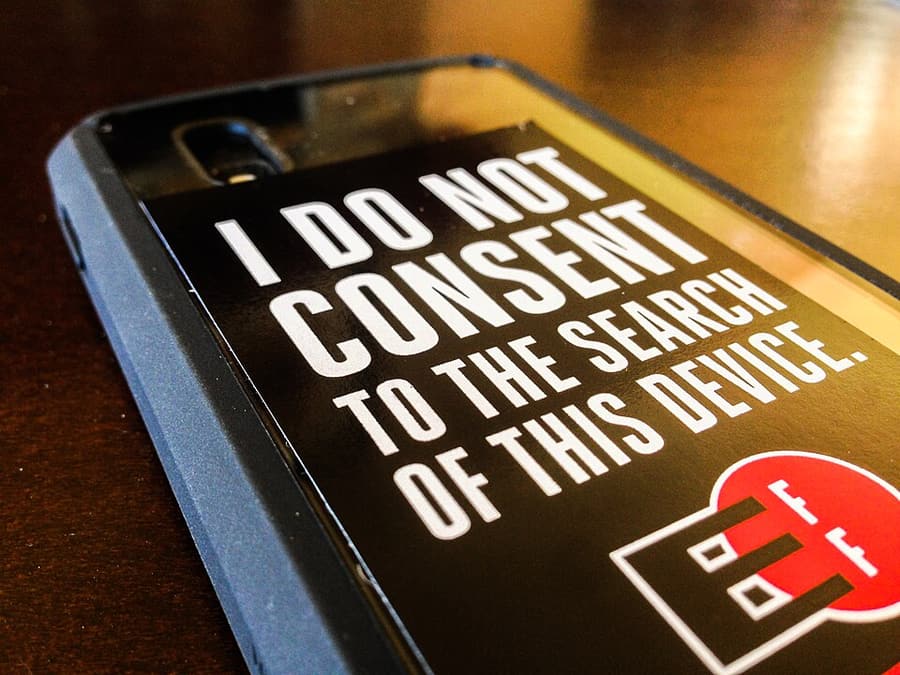
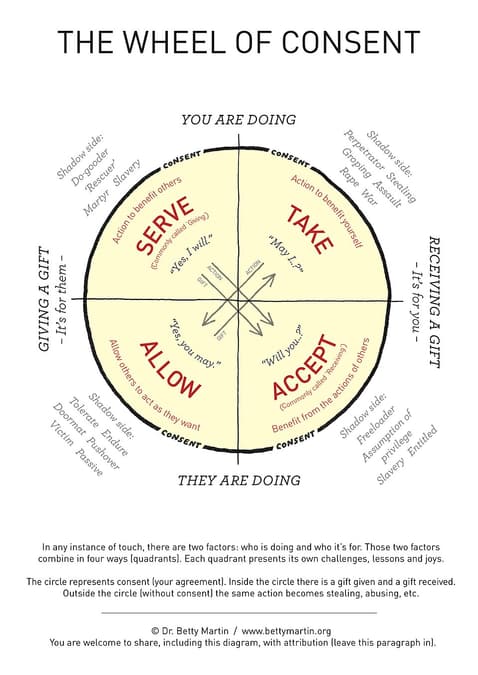
A release is more than a signature: consent must be informed, freely given, and provided by someone with capacity. Use language the person understands and identify user, purpose, channels, period, compensation, and contact process. Minors commonly require a legal guardian, but exact age and form requirements vary by location. Property releases may relate to private interiors, identifiable artworks, designs, or property in commercial use. A release does not erase third-party trademark, artwork, or misleading-context issues. Seek specialist advice for high-risk work.
Key takeaways
- Explain the intended use before asking for a signature
- Confirm capacity and the correct guardian for minors when required
- Translate or interpret the agreement when the signer cannot fully understand its language
- Connect release records to the correct people and image files without exposing personal data publicly
- One campaign's release may not cover a later sensitive use
- Store releases securely with the project rights record
Practical example
A portrait released for an educational brochure may later be proposed for a health-product advertisement. That new use can create a sensitive implication beyond the original expectation. Recheck scope, contact the person, and obtain an appropriate additional agreement rather than relying on vague broad wording.
Common mistakes
- Requesting a signature without explaining the use
- Downloading a generic form without adapting law, language, or purpose
- Collecting excessive personal data and storing it insecurely
- Losing the release or failing to connect it to the images
- Assuming broad language makes every harmful or misleading context acceptable
Knowledge check
Lesson 03
Privacy in Public Places
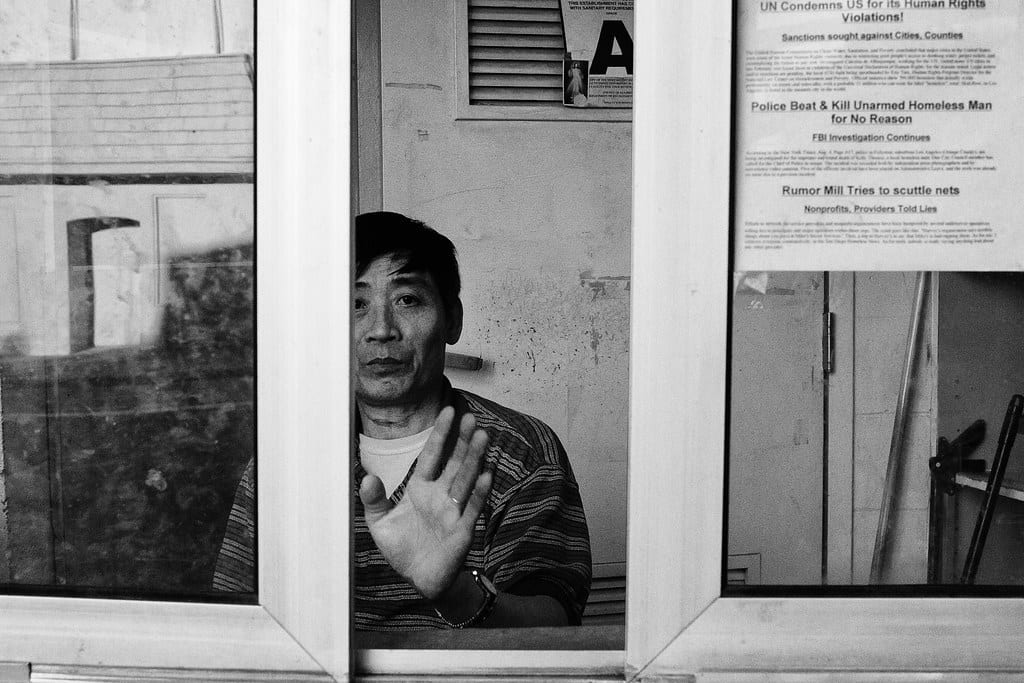
Separate three questions: may you stand there and photograph, may you publish or use the image commercially, and is publication ethical? The answers vary with jurisdiction, place, subject, capture method, caption, and use. Always verify current local rules. Privacy concerns can exist in accessible spaces when a person is experiencing health care, grief, intimacy, or vulnerability. GPS, time, faces, uniforms, number plates, and background details may identify someone when combined, even without a name.
Key takeaways
- The right to photograph and the right to publish are not always identical
- Commercial endorsement implications can differ from editorial use
- Evaluate harm from the image, caption, location, and timing together
- Respect reasonable objections and avoid turning a rights debate into additional harm
- Anonymization may require more than blurring a face
- Consent, delayed publication, metadata removal, or non-publication can reduce risk

Practical example
A child photographed on a public street outside a home may still be identifiable through GPS, uniform, and landmarks. Cropping a number plate does not remove every clue. Review the complete information package as a stranger would see it.

Common mistakes
- Treating “public” as meaning no privacy interests exist
- Publishing location and time in a way that creates risk
- Writing speculative captions about health, income, or conduct
- Assuming a blurred face always makes a person anonymous
- Arguing legal entitlement when a reasonable deletion request can be honored safely
Knowledge check
Lesson 04
Children, Vulnerable People, and Sensitive Events
Power imbalance means a nod may not represent freely given consent. Explain who you are, why you are photographing, where images may appear, who can see them, and that refusal will not remove assistance or benefits. With children, follow guardian requirements and seek the child's age-appropriate assent. Reduce harm by avoiding interference with care, never asking people to reenact grief, limiting identifiers, writing accurate captions, and balancing public interest against lasting consequences. Consent at capture does not remove editorial responsibility at publication.
Key takeaways
- Safety and dignity have priority over obtaining a photograph
- Silence is not informed consent
- Do not connect aid, gifts, or payment to a requirement to participate
- Consult safeguarding specialists when working through organizations or with children
- Caption, metadata, crop, and timing may create more risk than the original frame
- Store sensitive images and releases with access controls
Practical example
At a memorial, coordinate with responsible organizers, avoid close identifiable faces without consent, and make contextual images without obstructing people. If a participant agreed to documentation but the image later becomes a sensational thumbnail, the new presentation may violate their reasonable expectation.
Common mistakes
- Asking a shocked or grieving person to make a complex decision immediately
- Treating organizational access as individual consent
- Revealing identity or location that creates danger
- Using a sensational caption that removes dignity
- Keeping sensitive photographs and releases in an unrestricted system
Knowledge check
Lesson 05
Transparent Editing in Documentary Photography
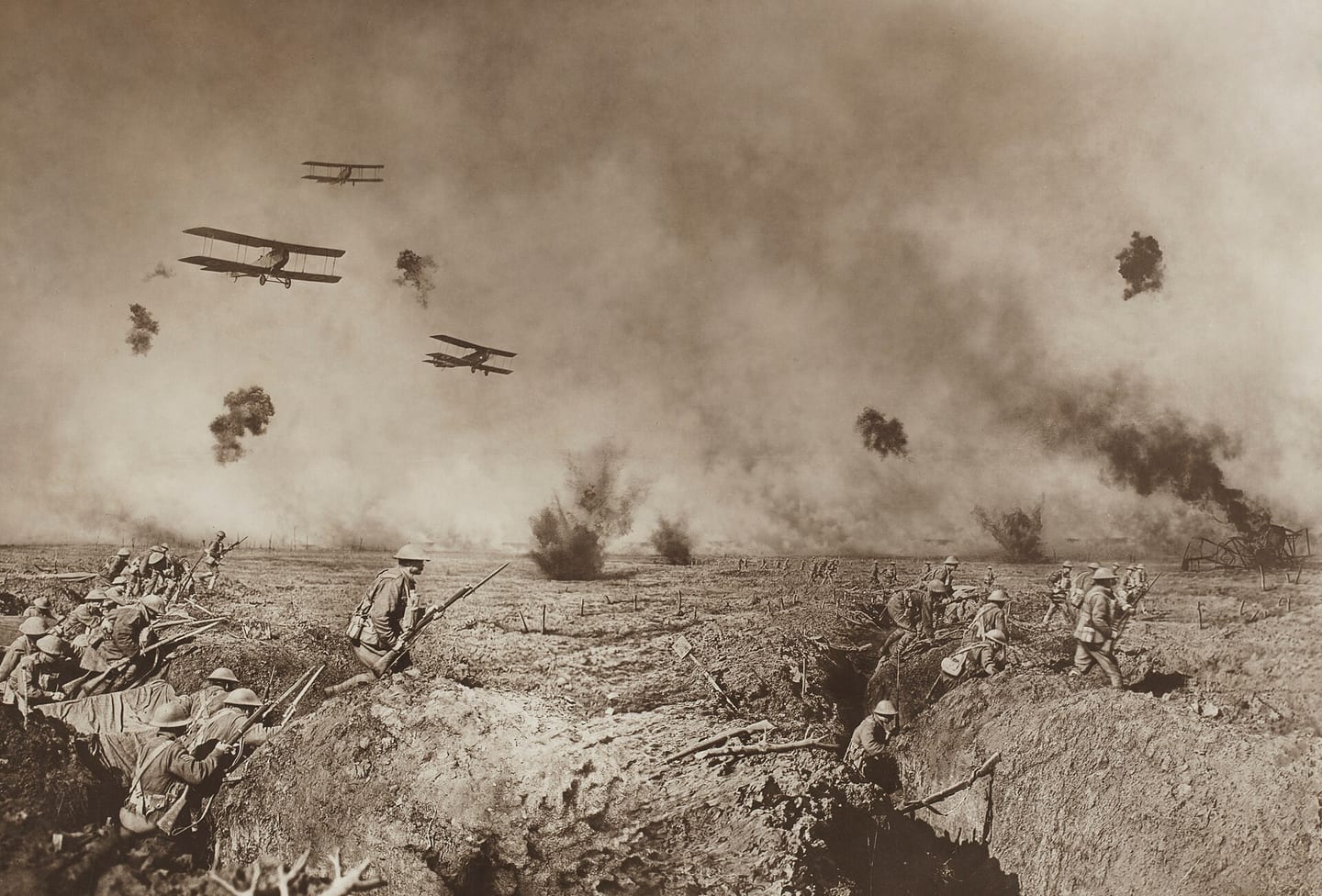
Documentary integrity covers capture, selection, processing, caption, and placement. Lens, position, and crop are already choices, so honest context and transparent method matter more than claiming complete objectivity. Read the current publisher or competition policy before work begins. Global tonal, white-balance, crop, and sharpening changes may be accepted when they do not alter meaning. Compositing, generative fill, adding or removing objects, or undisclosed reenactment create serious integrity problems. Preserve source files, metadata, notes, and edit history.
Key takeaways
- Do not change the factual content of the scene
- Record who, what, where, when, and relevant context not visible in the frame
- Distinguish documentary, illustration, reenactment, and composite clearly
- A crop can mislead even when no pixel is cloned
- Follow the specific publication policy rather than assuming one universal standard
- Maintain an audit trail from original capture to delivered file
Practical example
Lowering global exposure and making a modest crop may be acceptable; removing a background person changes the event. Cropping out a sign that contradicts the story can also change meaning. A false date or suggestive headline may mislead more than a color adjustment.
Common mistakes
- Staging a moment without disclosing reenactment
- Using AI to add or remove details in a news image
- Cropping away evidence that complicates the preferred narrative
- Dodging and burning so strongly that a person becomes a visual hero or villain
- Failing to keep originals and notes that demonstrate the process